


A methodology that combines science and game-based mechanics
Albena Yotova and the Intreea team bring it to the screen.
A scientific approach, based on neuroscience and neuroplasticity, that helps every student reach the full extent of their potential.
The child who “can’t do maths” has often simply decided that they can’t
You have seen it. A child sits down, looks at a problem and gives up before even trying. Not because it is hard. Because they already know how it ends.
In the 1960s Dr Georgi Lozanov, a physician and psychiatrist from Sofia, started with precisely this: the obstacle is not ability but the conviction “I can’t”. While this conviction persists, neither the syllabus nor the pace helps. Hence, clearing it is the starting point of the method.
Where the method comes from
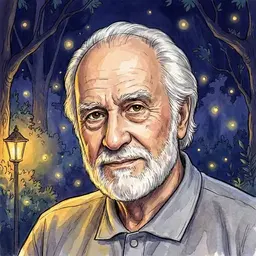
Dr Georgi Lozanov
UNESCO working group on suggestology and suggestopedia, Sofia, 11 to 17 December 1978. Working document ED-78/WS/119.
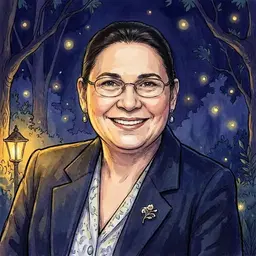
Libyan Labiosa-Cassone
“It's your job to figure out ways to make information more attractive to your pupils.”
Libyan Labiosa-Cassone, interview for In Context, no. 27, 1991. Biography: libyanlabiosacassone.com and the International Center for Accelerative Learning.

Albena Yotova
“Every child can, and every child knows. We just help them step forward with courage.”
Albena Yotova


What she carried to the screen. And what she did not.
The method was designed for a live classroom and a trained teacher. Albena Yotova's question was simple: how much of that can live on a screen? Here are her answers.
- In the classroom
The adult the child trusts.
On the screenThe six Guardians of Intreea. Friends that are the same age as the student, who lead them through the tasks, tell them exactly where they went wrong, and are the reason they come back tomorrow.
- In the classroom
Art is the lesson itself.
On the screenThe world of Intreea. Children do not open a set of exercises; a story unfolds in which the lesson happens. The drawn world is how you learn, not just a pretty set.
- In the classroom
A mistake is not a verdict.
On the screenThere is no list of missing results. The profile shows only what has been achieved, and progress is spelled out in words: on track, borderline, struggling.
- In the classroom
The teacher at the centre.
On the screenThe teacher is still present and central. They unlock and run lessons, set homework and generate tests in which every student solves a different test version.
- In the classroom
Everyone follows the group pace.
On the screenLearning starts where the child needs it to begin. The path adapts after every answer: a little every day, not three hours on a Sunday.


What stays in the classroom. The live teacher, their voice, the classroom itself. We do not claim to have brought these on screen.
What it looks like in a lesson
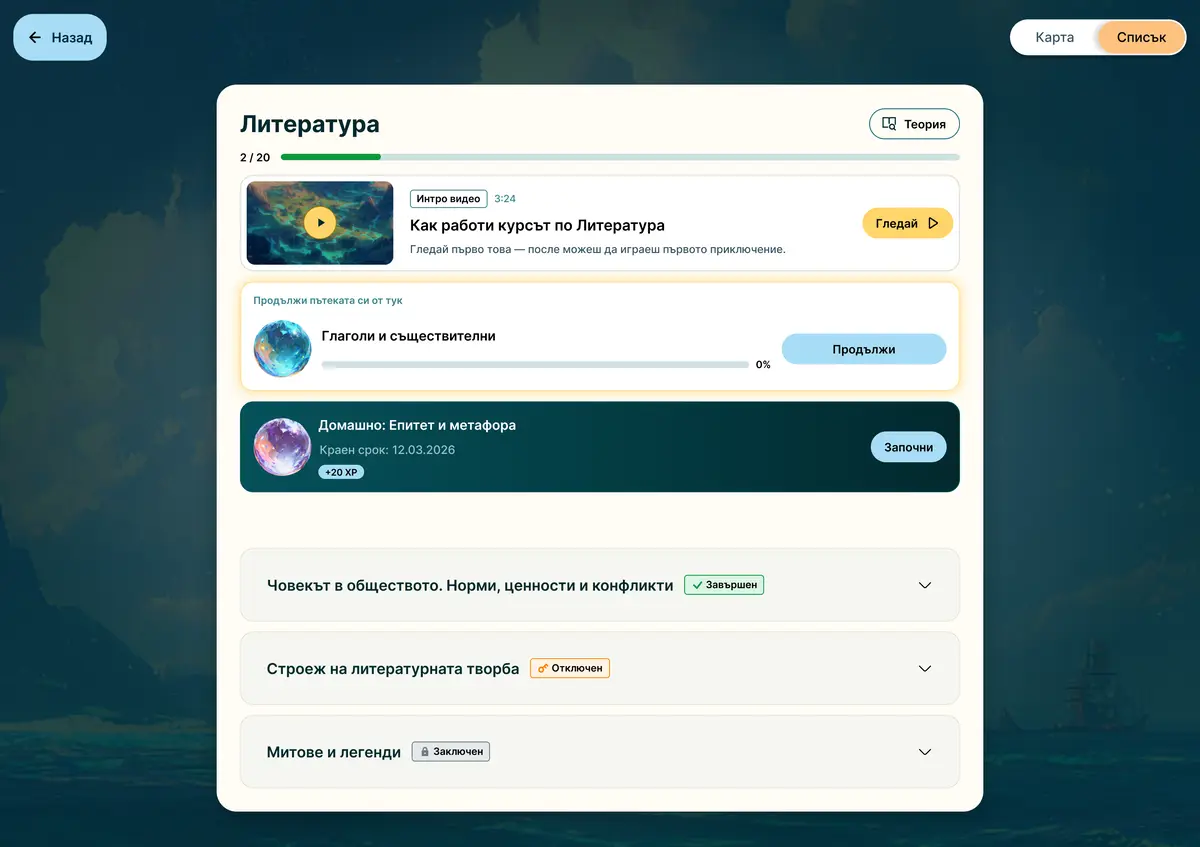
Always aware of where to continue from.
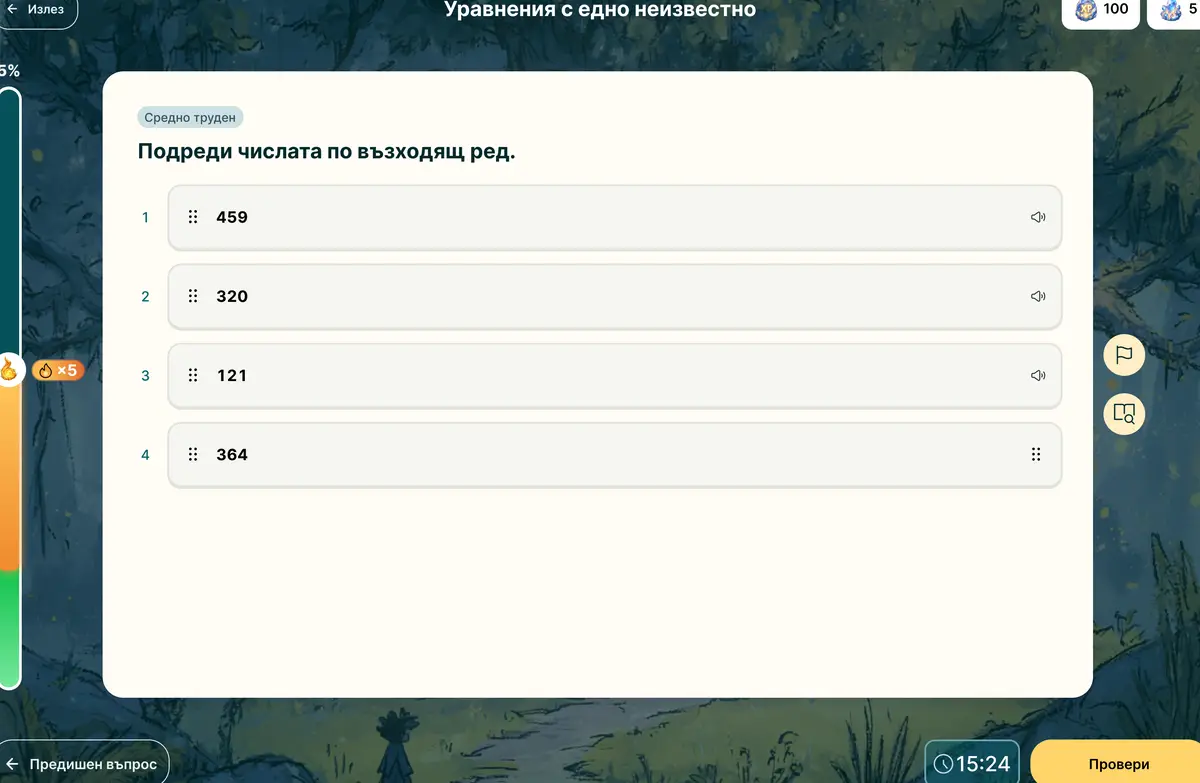
Tasks you solve by hand.
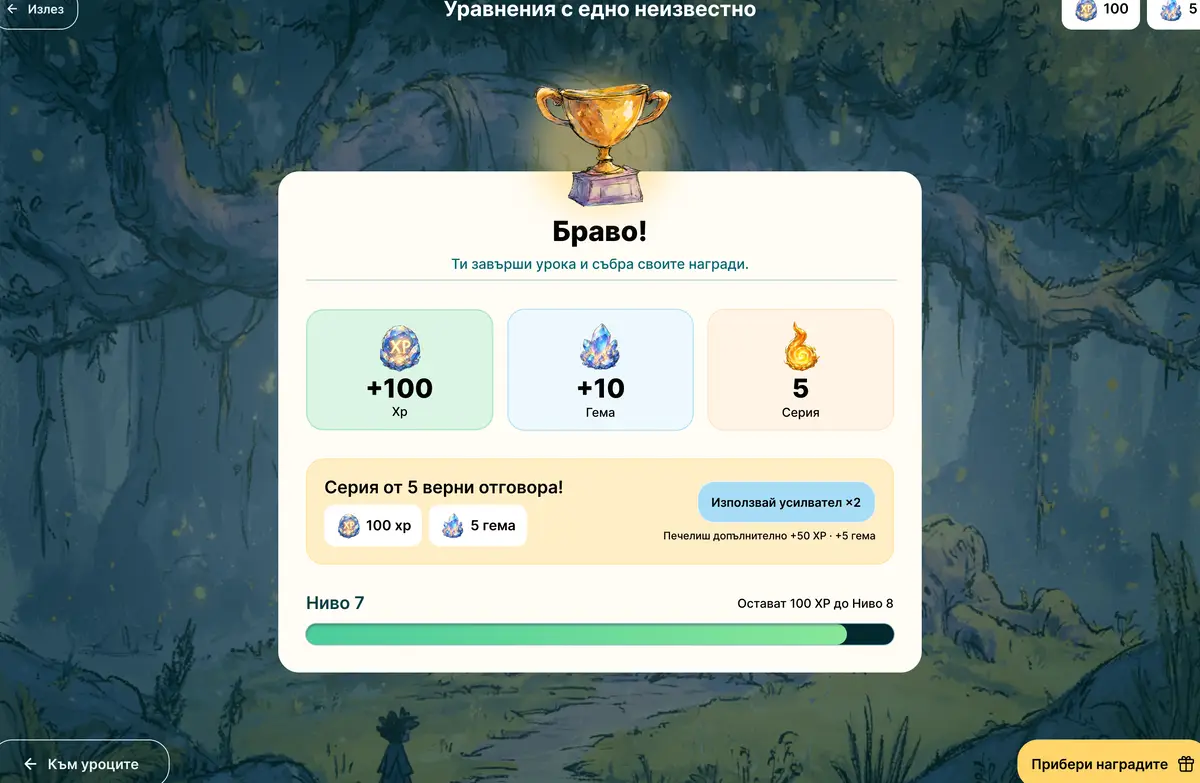
Every lesson ends with a reward.
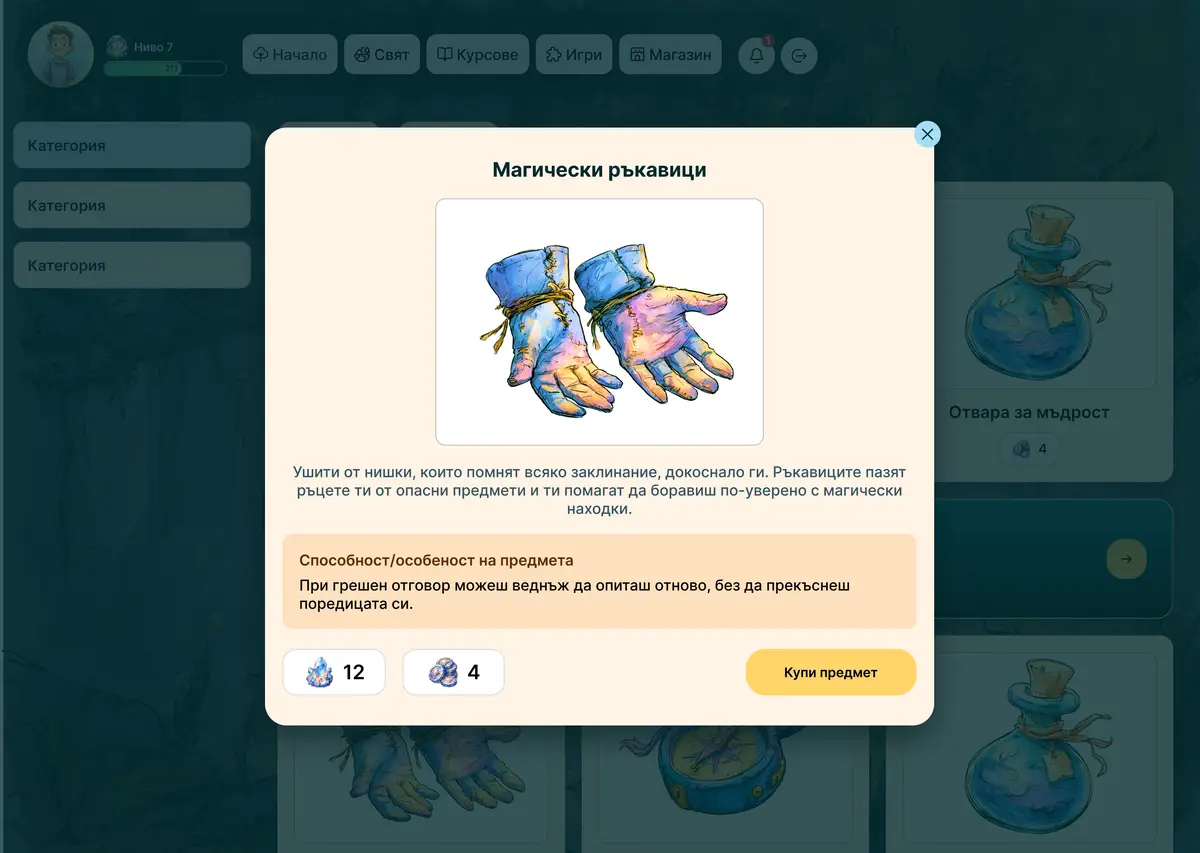
Items that help.



The method is best shown in a lesson.
Fourteen days are enough to see whether your child is eager to do more.